

Introduction: Your Customers Are Asking AI. Is It Mentioning You?
If you’ve asked ChatGPT to recommend a plumber, compare two accounting packages or plan a weekend in Queenstown, you’ve already experienced the shift this post is about. You asked a question, you got an answer, and you may never have clicked through to a single website.
Your customers are doing exactly the same thing. OpenAI now reports more than 900 million weekly active ChatGPT users, and Google has rolled AI Mode out to New Zealand, on top of the AI Overviews that already sit above the traditional results for many searches.
Here’s the uncomfortable truth: when an AI tool answers a question about your industry, it names a handful of businesses and leaves everyone else out. There’s no page two to scroll to. Generative Engine Optimisation, or GEO, is the work of making sure your business is one of the names it mentions, and that what it says about you is accurate.
This guide is the plain-English starting point. No jargon for the sake of it, no scare tactics, just what GEO is, how it works, why it matters for New Zealand businesses right now, and the first practical steps you can take this month. If you want the full, in-depth playbook afterwards, it’s all in our Complete Guide to Generative Engine Optimisation (GEO).
What Is Generative Engine Optimisation (GEO)?
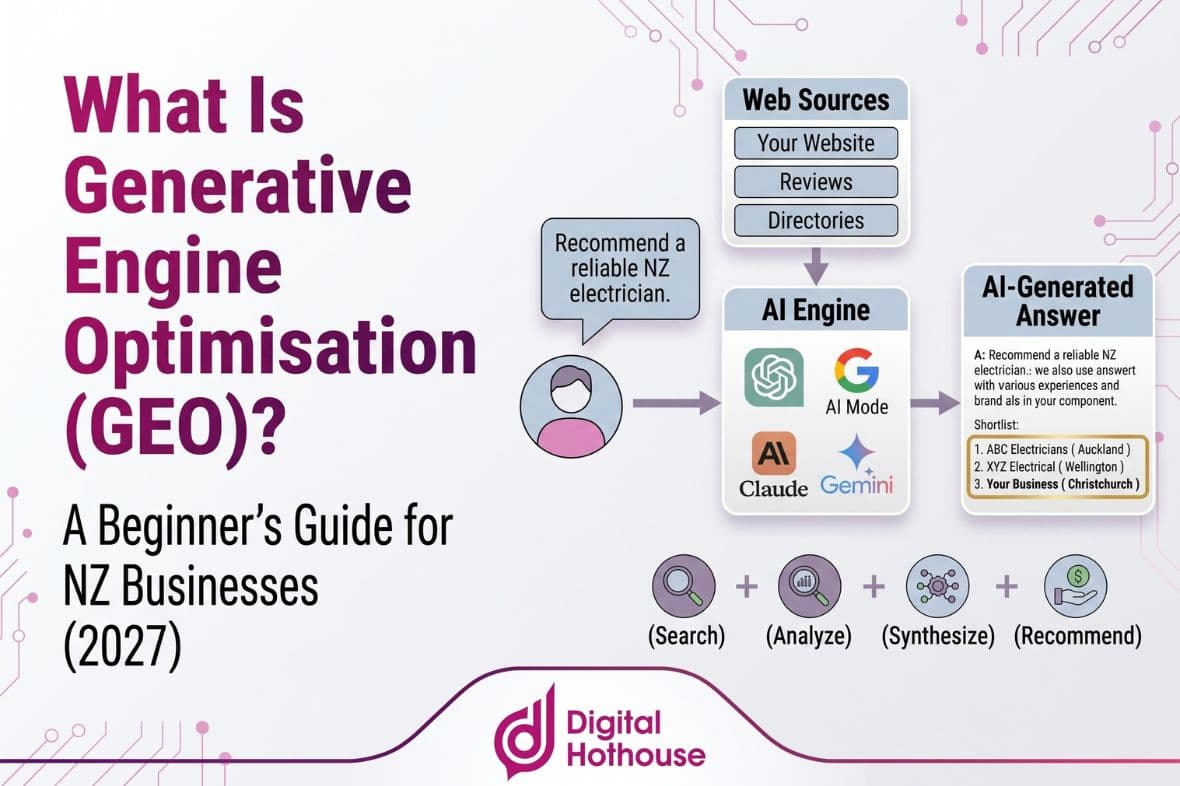
Generative Engine Optimisation is the practice of improving how often, and how accurately, your business is mentioned, cited or recommended in answers written by AI tools such as ChatGPT, Google’s AI Overviews and AI Mode, Gemini, Claude and Perplexity.
The “generative” part simply refers to the type of AI involved. These tools don’t show you a list of links and leave you to choose. They generate a fresh written answer each time, pulling together information from sources they trust, and sometimes linking to those sources along the way.
The term itself came out of academic research. A 2023 paper from researchers at Princeton University and partner institutions, GEO: Generative Engine Optimization, coined the name and tested which content changes made sources more visible in AI-generated answers. Adding citations, quotations and statistics were among the approaches that performed best in their experiments.
You may also hear it called…
The industry hasn’t settled on a single name yet, so you’ll see the same idea described in a few different ways:
- AI search optimisation or AI SEO
- Answer engine optimisation (AEO)
- LLM optimisation (LLMO), after the large language models that power these tools
- Search everywhere optimisation, which is how we often describe it to clients, because AI answers draw on far more than your website
The labels differ, but the goal is the same: be the business AI tools trust enough to recommend.
Is GEO replacing SEO?
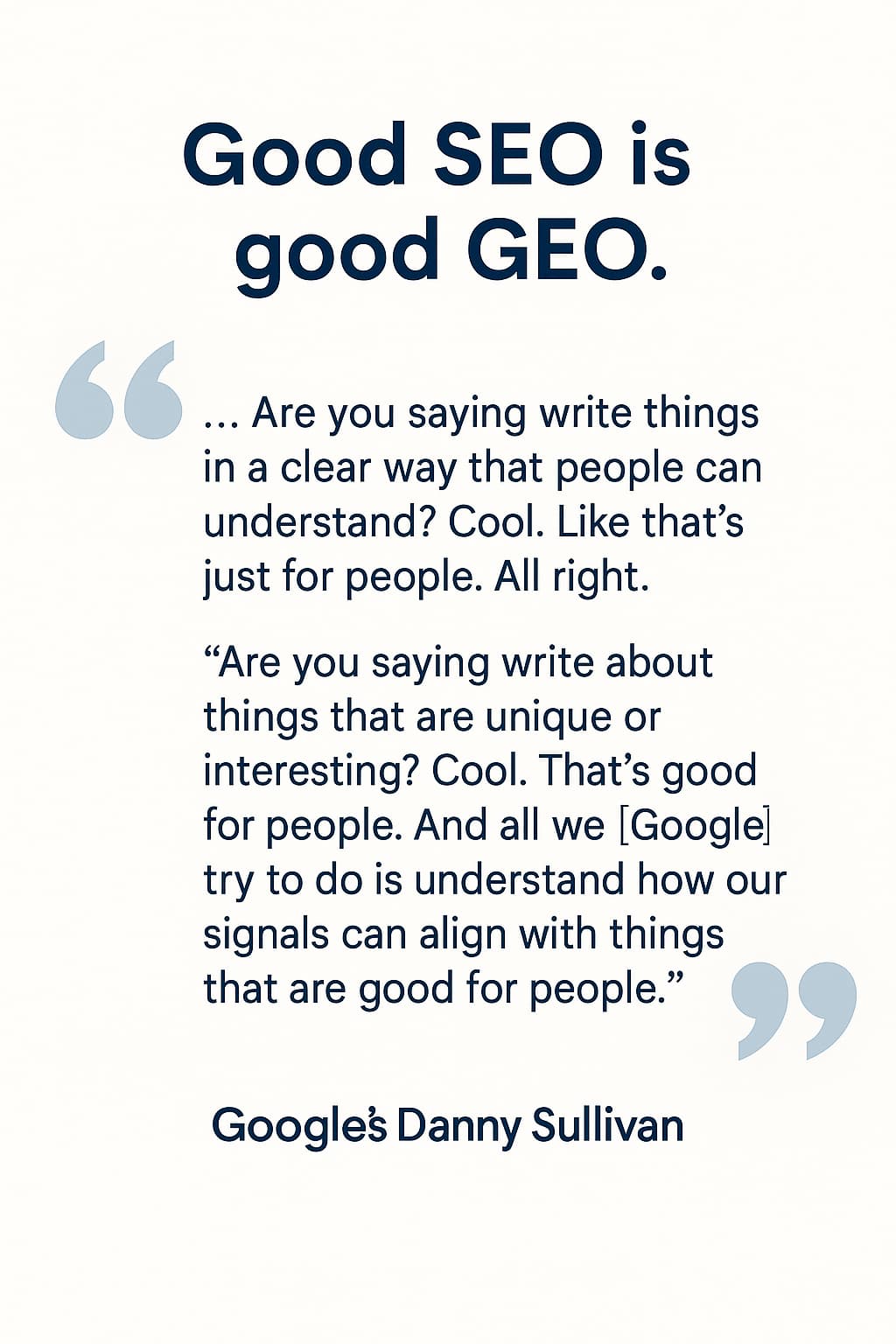
No, and anyone telling you otherwise is selling something. GEO is built on top of good SEO rather than instead of it. AI tools still rely heavily on search indexes to find and verify information, so a site that Google can’t crawl or understand is at a disadvantage in both places. Paul covered the differences in detail in GEO vs SEO: What’s the Difference, and Why Does It Matter for AI Search?, and we’ll summarise the practical changes further down this post.
How AI Search Tools Decide What to Say
You don’t need to understand the maths behind large language models to do GEO well. You do need to understand the two broad ways these tools get their information, because each one responds to different kinds of work.
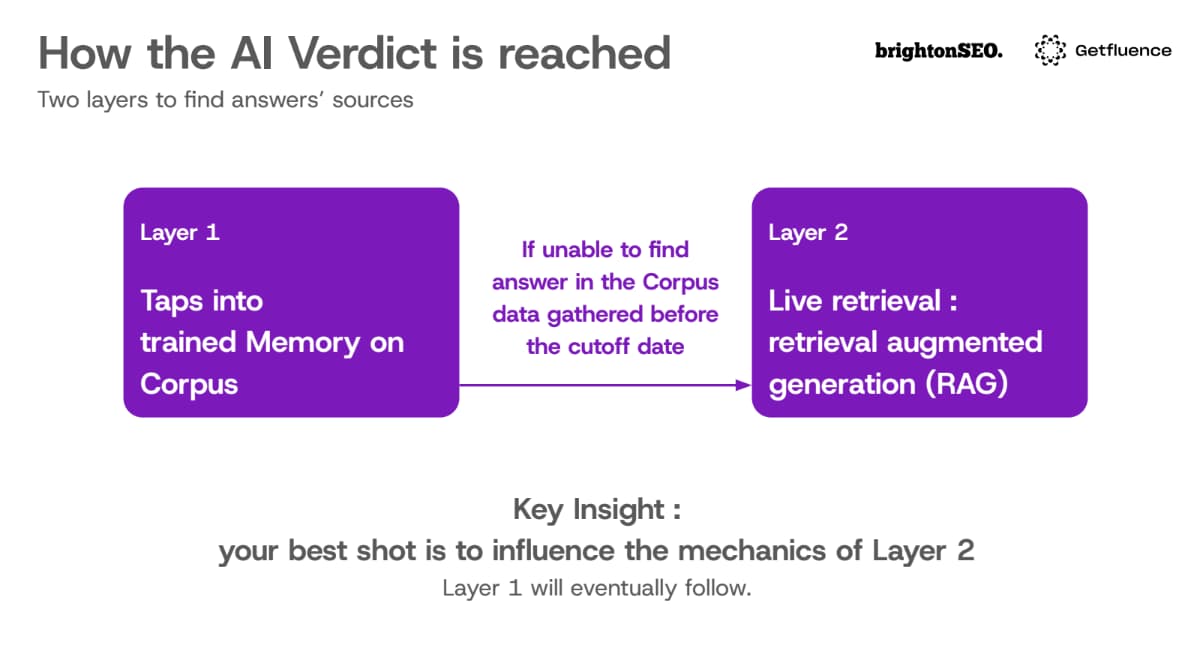
Route one: what the model already “knows”
Every AI model is trained on a huge snapshot of text from the web, books and other sources. If your business was written about consistently and positively across that material, the model is more likely to have a clear picture of who you are and what you do. The catch is that training snapshots are only refreshed periodically, so work you do today may take months to show up this way.
Route two: what it looks up in real time
For many questions, particularly anything local, time-sensitive or commercial, AI tools also search the live web before answering. This is often called retrieval-augmented generation, or RAG. Google describes AI Mode as using a “query fan-out” technique, breaking a question into subtopics and running many searches at once on the user’s behalf.
In simple terms, a typical AI answer is put together like this:
- The user asks a question, often much longer and more conversational than a traditional search.
- The tool breaks it into smaller questions and searches for each one.
- It gathers the pages, reviews and mentions it trusts most for each part.
- It writes one combined answer, naming the brands and sources that came up most convincingly.
- Some tools show links to those sources; others simply mention names.
Paul’s take: “The RAG distinction was one of the most practically useful things I heard across the whole conference. If you know which queries are triggering live web lookups, typically time-sensitive, local, or rapidly evolving topics, you can prioritise those in your content strategy because real-time content has a faster impact than waiting to influence the next training cycle.”
What makes a source more likely to be used?
No AI company publishes a full recipe, so treat anyone claiming to have one with caution. What we can say, based on the platforms’ own guidance, published research and what we’ve tested with clients, is that AI tools tend to favour sources that are:
- Easy to access and read, with content that crawlers can actually load and understand
- Clear and direct, answering a specific question early rather than burying it
- Consistent across the web, so your website, reviews, directories and press coverage all tell the same story
- Backed up by others, through independent mentions, reviews and coverage rather than only your own claims
That last point is the one most businesses underestimate, and it’s where GEO starts to look quite different from the SEO you may be used to.
Why GEO Matters for NZ Businesses Right Now
It’s tempting to file AI search under “something to look at next year”. We’d argue the window for getting ahead of competitors is open now, and it won’t stay open forever. Here’s why.
Kiwis are already using AI, in large numbers
One NZ’s AI Trust Report 2026, based on a survey of 1,001 New Zealanders carried out by Perceptive in March 2026, found that 76% had used an AI-powered tool or service in the past year. This isn’t a Silicon Valley trend that might reach us eventually. It’s how a large share of your customers already look for information.
Fewer clicks are reaching websites
When an AI answer appears at the top of Google, fewer people scroll down and click. Ahrefs’ updated study of 300,000 keywords found that AI Overviews were associated with a 58% lower average click-through rate for top-ranking pages, up from the 34.5% reduction it reported in its first study. Ranking first is still valuable, but it no longer guarantees the visit it once did. We explore what that means for reporting in How to Measure and Prove SEO ROI When Clicks Are Declining.
In a small market, the shortlist is even shorter
Ask an AI tool for the best commercial electrician in Tauranga or a reliable Shopify developer in Christchurch, and you’ll usually get three to five names. In a market the size of New Zealand, that shortlist can cover a meaningful share of the realistic options in a region. If you’re not on it, you’re not in the conversation.
Accuracy matters as much as visibility
The same One NZ report found that 70% of AI users had experienced problems with AI in the past 12 months. The report doesn’t break down what those problems were, but for businesses the one we see most often is simple misinformation: old prices, closed locations, services you no longer offer, or a competitor’s details mixed up with yours. GEO isn’t only about being mentioned. It’s about making sure what AI tools say about you is right.
Your competitors probably haven’t started yet
In our experience, most New Zealand SMEs haven’t yet checked what AI tools say about them, let alone done anything about it. That’s the opportunity. The consistent, trustworthy footprint that AI tools reward takes time to build, which means businesses that start now will be much harder to catch later.
Paul’s take: “When we run AI visibility checks for new clients, the most common reaction isn’t ‘we’re not mentioned’, it’s ‘why is it saying that about us?’ Outdated service lists, a location that closed years ago, a competitor’s pricing. Fixing what AI gets wrong is often the quickest win, and it’s work most New Zealand businesses haven’t even thought to do yet.”
What BrightonSEO 2026 Told Us About AI Search
When Paul and I attended BrightonSEO earlier this year, AI search ran through almost every session, and we covered the highlights in What BrightonSEO 2026 Tells Us About the Future of Search. A few findings are especially useful if you’re new to GEO:
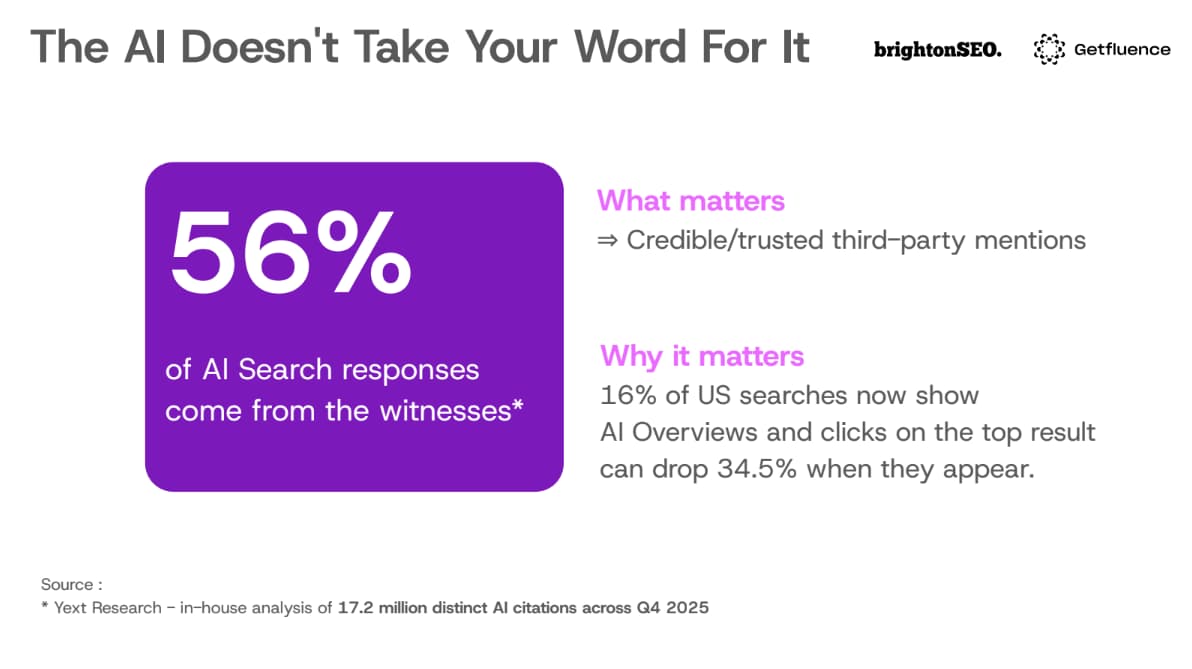
- Most of your AI visibility comes from outside your website. Christian Desert of Getfluence shared that 56% of AI visibility influence comes from external sources, meaning your own site accounts for less than half.
- Third-party mentions carry real weight. Jack Lingard described AI as “word of mouth on steroids”, and shared that being cited in AI platforms is 6.5 times more likely with third-party source citations.
- AI visitors are valuable visitors. Semrush data highlighted by Nick Beck showed visitors from AI search converting at 4.4 times the rate of traditional organic visitors.
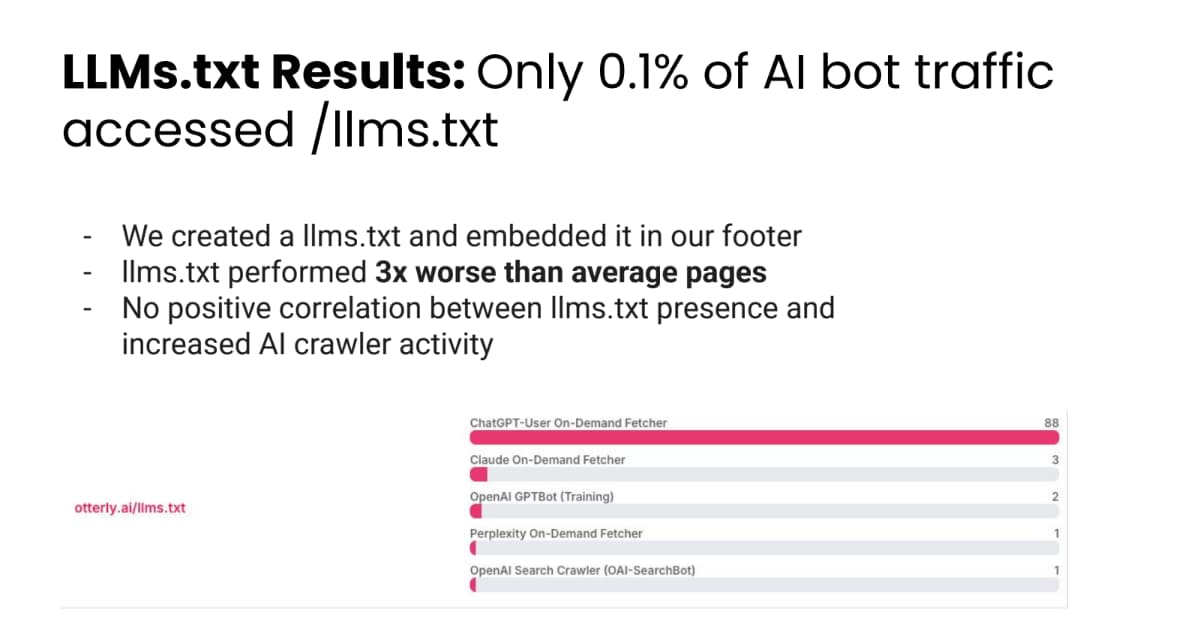
- Shortcuts rarely work. Thomas Peham’s testing found that only 0.1% of AI bot traffic accessed llms.txt files, a reminder that there’s no single file or trick that unlocks AI visibility.
The common thread is that GEO rewards businesses with a genuine, consistent reputation across the web. We go deeper on that in How to Get Your Brand Mentioned by ChatGPT, Claude and Google’s AI.
GEO vs SEO: What Changes and What Stays the Same
The good news for anyone who has invested in SEO is that very little of that work is wasted. The foundations carry straight over. What changes is where the finish line sits and how you keep score.
| Traditional SEO | GEO | |
| The goal | Rank highly in a list of links | Be named, cited or recommended inside an AI-written answer |
| What the user sees | Ten blue links, ads and features | One combined answer, sometimes with source links |
| Main signals | Relevance, links, technical health, content quality | All of those, plus consistent brand mentions, reviews and third-party coverage across the web |
| Where the work happens | Mostly on your own website | Your website and everywhere else your business is discussed |
| How success is measured | Rankings, clicks, organic sessions | Mention rate, accuracy of what’s said, AI referrals, branded search growth |
What stays the same
- A fast, crawlable website. AI crawlers can struggle with pages that rely heavily on JavaScript to display content, which our Complete Technical SEO Checklist for 2027 covers in detail.
- Genuinely useful content written for real people, not keyword lists. The Audience-First Content Playbook is our guide to getting that right.
- Demonstrable experience, expertise and trustworthiness.
What changes
- Off-site reputation moves centre stage. Press coverage, reviews, industry directories and discussion on forums all feed the picture AI tools build of your business. Our Modern Digital PR Playbook explains how to earn it.
- Structure matters more. Clear headings, direct answers and well-organised facts make your content easier for AI tools to lift and cite.
- Consistency matters more than ever. If your website, Google Business Profile and directory listings disagree, AI tools have to guess which version is true.
Five First Steps for Beginners
You don’t need a big budget or specialist tools to make a start. These five steps are the same ones we begin with for most clients, and you can do the first two yourself this week.
1. Ask the AI tools about yourself
Open ChatGPT, Gemini, Claude, Perplexity and Google’s AI Mode, and ask the questions your customers would ask. Try a mix of:
- “What are the best [your service] providers in [your town or region]?”
- “What is [your business name] known for?”
- “[Your business] vs [a competitor]: which is better for [a specific need]?”
Note whether you’re mentioned, who is mentioned instead, and whether anything said about you is wrong. Repeat it monthly, as answers can change from one day to the next.
2. Get your facts straight everywhere
Make sure your business name, address, phone number, opening hours, services and prices match across your website, Google Business Profile, Facebook, LinkedIn and any industry or local directories. It’s unglamorous work, but it removes the confusion that leads AI tools to give out-of-date or muddled answers.
3. Answer real questions, clearly and early
Look at the questions customers ask your team by phone, email and in person, then make sure your website answers them directly. Put the answer near the top of the page, use clear headings, and back it up with specifics such as prices, timeframes, locations and examples. This helps human readers and AI tools alike.
4. Check AI tools can actually reach your site
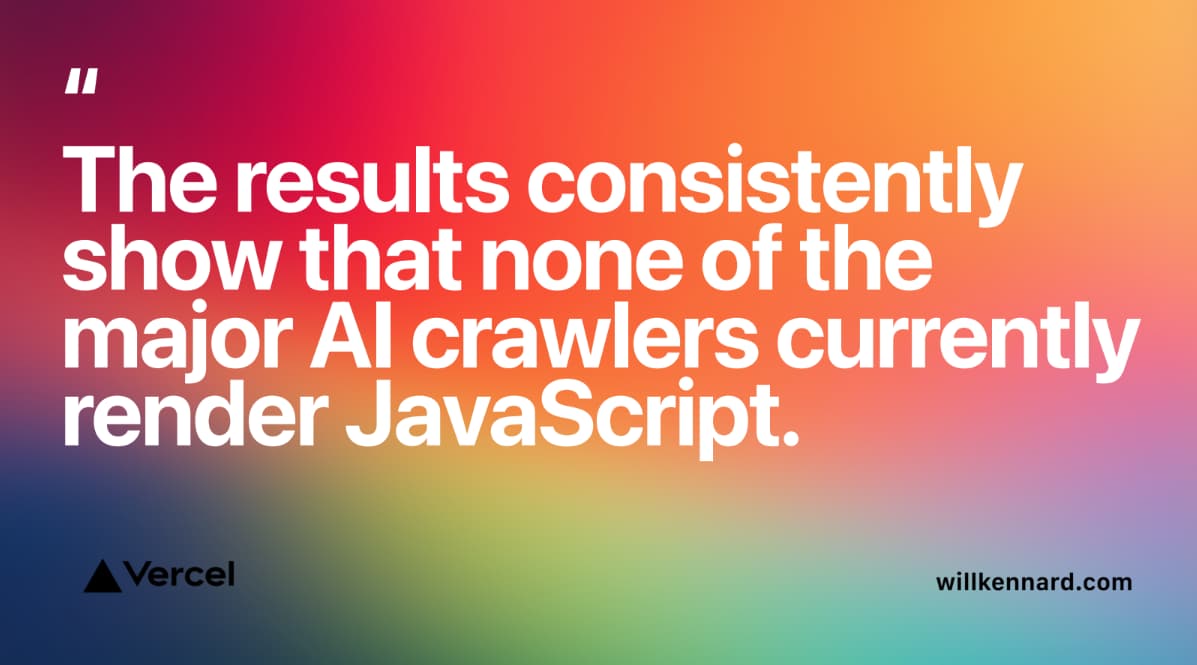
Ask your web developer or SEO partner to confirm that your robots.txt file isn’t accidentally blocking the crawlers AI platforms use, and that your key content loads without depending on heavy JavaScript. It’s a quick check, and it’s surprisingly common to find a problem.
5. Earn mentions beyond your own website
Encourage reviews from happy customers and respond to them, contribute expert comment to local and industry media, get listed with relevant associations, and take part in genuine conversations where your customers already ask questions. Every credible independent mention adds to the picture AI tools build of your business.
Paul’s take: “If I could only give one piece of advice to a business owner starting out with GEO, it’s to spend half an hour asking the AI tools about yourself. It costs nothing, it’s usually eye-opening, and it tells you straight away whether your first job is getting mentioned or getting the story right.”
Four GEO Myths Worth Ignoring
As with any new area of marketing, GEO has attracted its share of hype. These are the claims we hear most often from business owners, and why you shouldn’t lose sleep over them.
“SEO is dead.” It isn’t. AI tools lean heavily on search indexes and well-built websites, so strong SEO remains the foundation GEO is built on. What has changed is that rankings alone no longer tell the whole story.
“There’s a secret file or trick that gets you into ChatGPT.” There isn’t. As Thomas Peham’s llms.txt findings at BrightonSEO showed, quick technical fixes have so far made little measurable difference. Visibility comes from a consistent, credible presence built over time.
“GEO is only for big brands.” If anything, the opposite is true for local and specialist businesses. AI tools regularly answer local and niche questions, and a well-reviewed business with clear, accurate information can hold its own against much larger competitors.
“You can guarantee AI mentions.” Nobody can. AI answers vary between platforms, between users and from one day to the next. What you can do is improve your odds, track the trend over time and fix inaccuracies when you spot them. Be wary of anyone promising more than that.
Where to Go Next in This Series
This post is the starting point for our GEO and AI search theme. When you’re ready to go further, The Complete Guide to Generative Engine Optimisation (GEO) is the full playbook, covering platform-by-platform tactics, how to audit your AI visibility and a 12-month action plan.
Over the coming months, we’ll be publishing practical guides on each part of it, including:
- How Google AI Overviews Work (And How to Get Featured In Them)
- ChatGPT vs Google: How Different AI Platforms Choose Which Brands to Mention
- The Content Structure That Gets Cited by AI: Answer-First Writing Explained
- Schema Markup for AI Search: What You Need in 2027
- How to Audit Your Brand’s Current AI Visibility (Free Framework)
- Local Business AI Visibility: Getting Mentioned in AI Search for ‘Near Me’ Queries
Find Out What AI Is Saying About Your Business
GEO can sound like one more thing to worry about, but at its heart it’s familiar territory: be easy to find, be clear about what you do, and make sure the rest of the web backs you up. The businesses that start now, while most of their competitors are still watching, will be the ones AI tools recommend by default.
Book an AI Visibility Audit with Digital Hothouse. We’ll test how ChatGPT, Google’s AI Overviews and AI Mode, Gemini, Claude and Perplexity currently describe your business, show you where competitors are being recommended instead of you, flag anything they’re getting wrong, and give you a clear, prioritised list of what to fix first.
We’d love to work with you. Let’s chat.